
 By
By 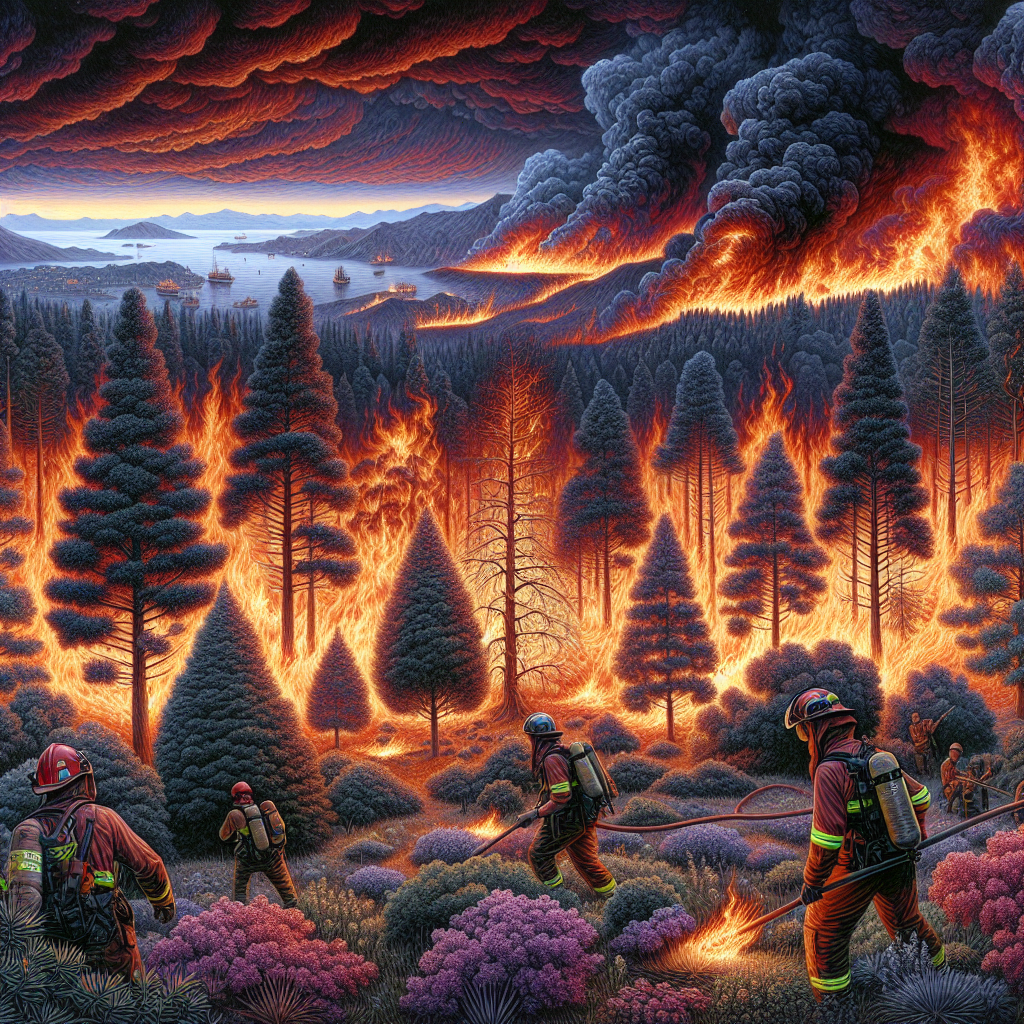
### Fire: Causes, Effects, and Preventive Measures
**Causes of Fire:**
1. **Human Activity:**
– **Cooking:** Unattended cooking is one of the leading causes of residential fires.
– **Heating Equipment:** Improper use of heaters and fireplaces can lead to fire hazards.
– **Electrical Malfunctions:** Faulty wiring, overloaded circuits, and malfunctioning appliances can spark fires.
– **Smoking:** Careless disposal of cigarettes and other smoking materials can ignite nearby flammable materials.
– **Arson:** Intentional setting of fires for malicious purposes can have devastating effects.
2. **Natural Causes:**
– **Lightning Strikes:** Can ignite wildfires in forests and grasslands.
– **Volcanic Eruptions:** Lava and ash can ignite surrounding vegetation.
– **Spontaneous Combustion:** Organic materials like compost can generate heat and ignite under certain conditions.
3. **Chemical Reactions:**
– **Flammable Liquids:** Gasoline, solvents, and other flammable liquids can easily ignite when exposed to an ignition source.
– **Dust Explosions:** Certain dusts, such as sawdust or grain dust, can become explosive when suspended in the air.
### Effects of Fire:
1. **Loss of Life and Injury:**
– Fires can result in fatalities and serious injuries from burns, smoke inhalation, and other related hazards.
2. **Property Damage:**
– Fires can destroy homes, businesses, infrastructure, and natural resources, leading to significant economic losses.
3. **Environmental Impact:**
– Wildfires can devastate ecosystems, leading to habitat destruction, soil erosion, and loss of biodiversity.
– Smoke and soot can contribute to air pollution and respiratory issues in nearby communities.
4. **Psychological Effects:**
– Survivors of fire incidents may experience trauma, anxiety, and depression as a result of their experiences.
### Preventive Measures:
1. **Education and Awareness:**
– Conduct fire safety training and awareness campaigns in communities and workplaces.
– Encourage the use of fire safety equipment and adherence to safety protocols.
2. **Installation of Fire Safety Equipment:**
– Smoke detectors should be installed in homes and regularly tested.
– Fire extinguishers should be accessible and maintained.
– Sprinkler systems can help control fires in commercial and residential properties.
3. **Proper Maintenance:**
– Regular inspection of electrical systems and appliances to prevent malfunctions.
– Keeping flammable materials away from heat sources.
4. **Firebreaks and Controlled Burns:**
– In forested areas, creating firebreaks and conducting controlled burns can help manage vegetation and reduce the risk of wildfires.
5. **Emergency Preparedness:**
– Developing and practicing fire escape plans can help ensure that everyone knows how to respond in the event of a fire.
– Keeping emergency numbers accessible and knowing local fire department resources can aid in quick response.
6. **Regulations and Building Codes:**
– Compliance with fire safety regulations and building codes can minimize risk in residential and commercial buildings.
– Regular fire drills in workplaces and schools can help familiarize individuals with emergency procedures.
By understanding the causes and effects of fire, as well as implementing effective preventive measures, individuals and communities can significantly reduce the risk of fire-related incidents and their devastating consequences.