
 By
By 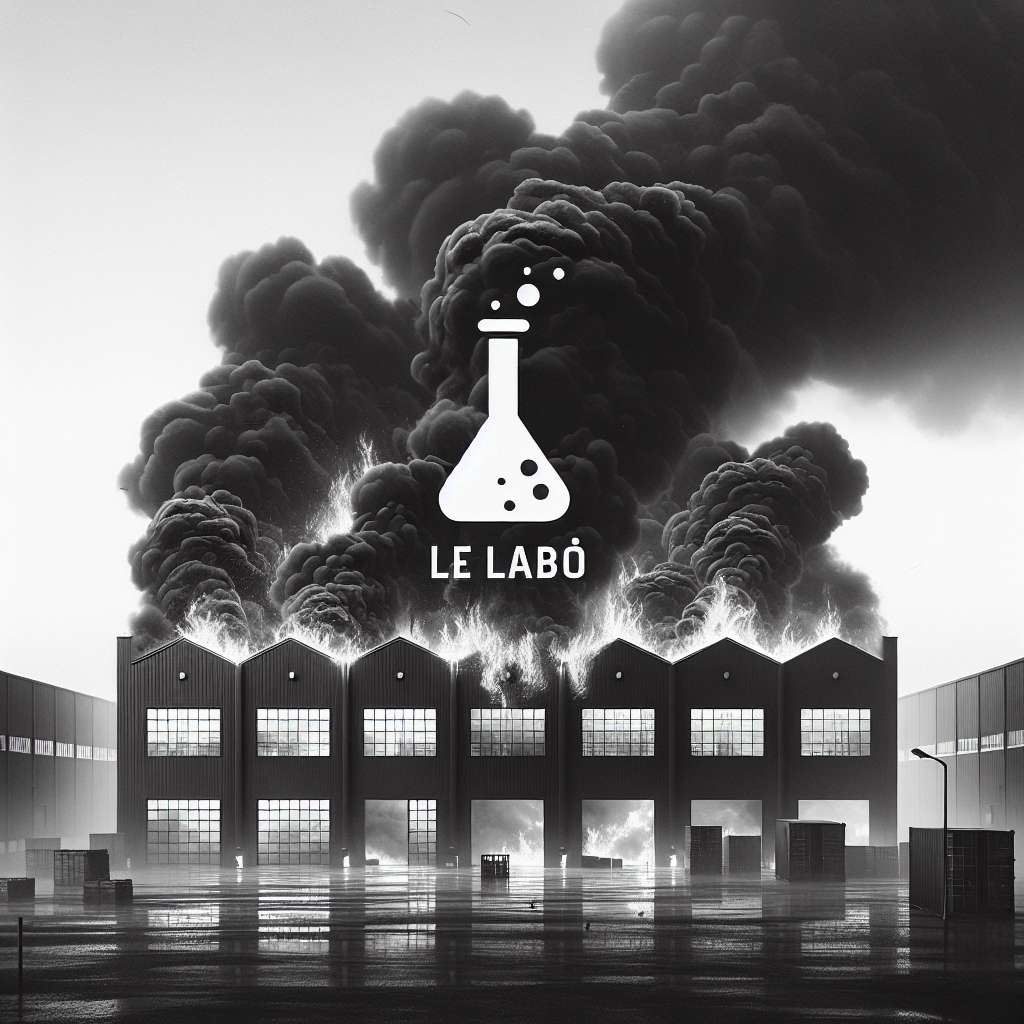
### Fire: Causes, Effects, and Preventive Measures
#### Causes of Fire
1. **Human Activities**:
– **Negligence**: Unattended cooking, improper disposal of smoking materials, and careless use of flammable liquids can easily ignite a fire.
– **Electrical Malfunctions**: Faulty wiring, overloaded circuits, and malfunctioning appliances account for a significant number of fires.
– **Arson**: Intentional setting of fires for malicious purposes can lead to devastating consequences.
2. **Natural Causes**:
– **Lightning Strikes**: A common cause of wildfires, particularly in forested areas.
– **Spontaneous Combustion**: Certain materials can ignite without an external flame, such as oily rags or compost piles.
3. **Chemical Reactions**:
– **Exothermic Reactions**: Some chemical reactions can produce enough heat to ignite nearby flammable materials.
4. **Environmental Conditions**:
– **Dry Weather**: Extended periods of drought can make vegetation highly flammable.
– **High Winds**: Wind can spread fire quickly, making it difficult to control.
#### Effects of Fire
1. **Human Impact**:
– **Injuries and Fatalities**: Fires can lead to severe injuries, burns, or loss of life.
– **Psychological Effects**: Survivors may experience trauma or anxiety related to the experience.
2. **Property Damage**:
– **Destruction of Homes and Businesses**: Fires can lead to total loss of property, affecting livelihoods and communities.
– **Economic Loss**: The cost of rebuilding, lost business revenue, and insurance claims can be substantial.
3. **Environmental Consequences**:
– **Ecosystem Damage**: Forest fires can destroy habitats, endanger wildlife, and disrupt local ecosystems.
– **Air Quality Degradation**: Smoke and particulate matter can lead to poor air quality and health issues in surrounding communities.
4. **Societal Impact**:
– **Displacement**: People may be forced to evacuate their homes, leading to temporary or permanent displacement.
– **Increased Insurance Premiums**: Higher risks can lead to increased costs for homeowners and businesses.
#### Preventive Measures
1. **Education and Awareness**:
– **Fire Safety Training**: Regular training on fire safety practices for both individuals and organizations.
– **Public Awareness Campaigns**: Informing communities about fire risks and safety measures through workshops and media.
2. **Building Codes and Regulations**:
– **Fire-Resistant Materials**: Using materials that are less likely to catch fire in construction can mitigate risks.
– **Sprinkler Systems**: Installing automatic fire suppression systems in buildings, particularly in high-risk areas.
3. **Regular Maintenance**:
– **Electrical Inspections**: Routine checks of electrical systems to prevent malfunctions.
– **Clearing Vegetation**: In forested areas, maintaining defensible space around properties by clearing dry brush and debris.
4. **Community Preparedness**:
– **Emergency Plans**: Developing and practicing evacuation routes and emergency response plans.
– **Firebreaks**: Creating barriers to slow the spread of wildfires, particularly in high-risk areas.
5. **Use of Technology**:
– **Detection Systems**: Installing smoke detectors and fire alarms to provide early warnings.
– **Fire Weather Monitoring**: Utilizing technology to monitor and predict fire weather conditions, enabling proactive measures.
In conclusion, while fire can be devastating, understanding its causes, effects, and implementing preventive measures can significantly reduce risks to life, property, and the environment. Community involvement and proactive planning are essential in combating fire hazards effectively.